


November 16, 2026
What Do Children Learn in a Two-Year-Old Classroom?
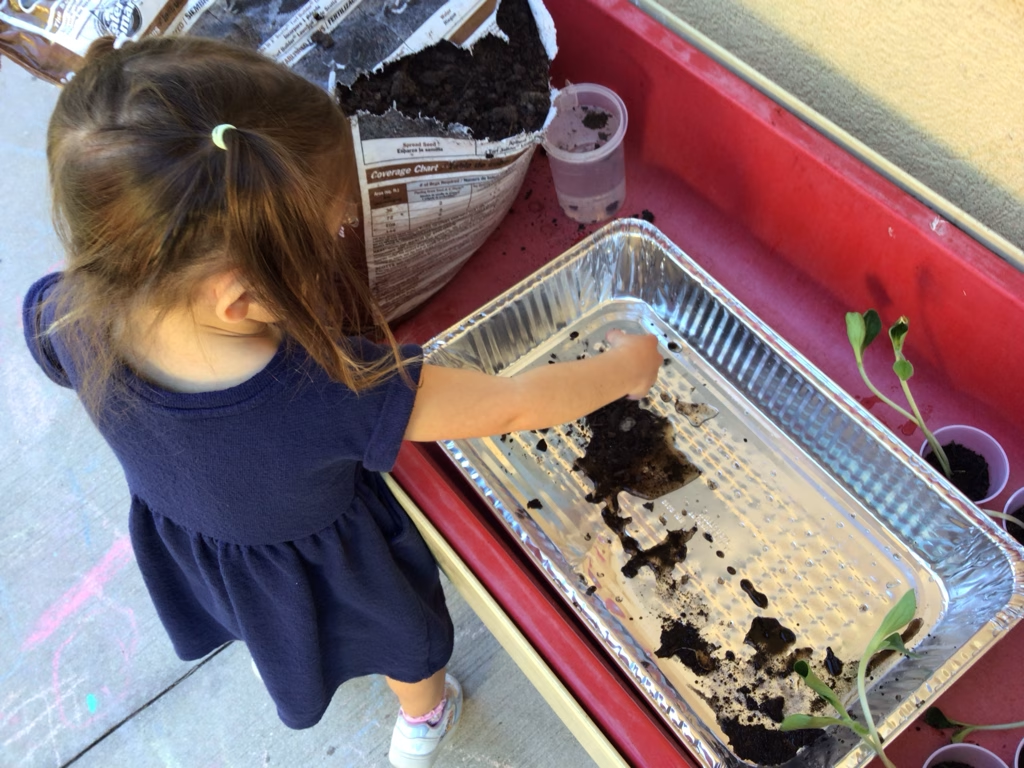
“Do it myself!” “What’s that?” “My turn!”
At two years old, children have growing ideas, strong feelings and plenty of curiosity. A classroom designed for this age gives them opportunities to explore those interests while practicing communication, independence and being alongside others.
In a two-year-old classroom, children learn through play, conversations, movement and everyday routines. Building with blocks, listening to stories and washing hands all offer opportunities to develop new skills.
At Kiddie Academy® of St. Johns, our early preschool program for two-year-olds uses the Life Essentials® curriculum to support learning at this busy stage of development.
How Do Two-Year-Olds Build Language Skills?
Two-year-olds practice communication by hearing language, interacting with caring adults and finding ways to express their needs.
Books, songs, pretend play and everyday conversations introduce words in meaningful situations. During play, an educator might describe what a child is doing: “You’re pushing the blue truck under the bridge.” This connects language with an experience the child can see and understand.
Children also need time to respond. A gesture, a word or a short phrase gives an educator something to build on. If a child says, “More blocks,” an adult can respond, “You want more blocks to make your tower taller!”
How Do Teachers Support Big Feelings and Social Skills?
Wanting a toy and being able to wait for it are two very different things at age two.
Children are still learning to express feelings, manage frustration and understand others. Educators can support them by naming emotions, offering comfort and modeling simple phrases such as “Help, please” or “Can I have a turn?”
Playing near another child is a meaningful experience, too. Two children may use similar toys side by side before they begin playing together. With patient guidance, these moments create opportunities to notice others, exchange ideas and practice taking turns.
What Does Learning Through Play Look Like?
Play gives two-year-olds a way to investigate how things work. Simple classroom experiences can introduce several skills at once:
-
Stacking blocks: Exploring balance, size and cause and effect.
-
Sorting objects: Noticing similarities, differences, colors and shapes.
-
Pretend cooking: Using familiar words, imitating everyday experiences and developing ideas.
-
Making art: Exploring materials and practicing hand and finger movements.
-
Singing and moving: Listening, repeating words and coordinating movements.
-
Looking at books: Pointing to pictures, naming objects and beginning to follow stories.
Educators can build on children’s interests with questions, descriptions and materials that invite further exploration.
How Do Daily Routines Encourage Independence?
Everyday routines give children repeated opportunities to participate and try things for themselves.
A two-year-old might practice putting materials away, washing hands with support, using utensils or choosing between two activities. Each small task provides a chance to make a decision, follow a familiar sequence and contribute to the classroom.
Adults can break tasks into manageable steps and offer help when needed. The goal is steady practice, with encouragement that recognizes the effort: “You put the blocks back in the basket!”
How Does Movement Support Learning?
Two-year-olds need opportunities to move and explore with their whole bodies.
Dancing, walking, climbing on appropriate equipment and rolling a ball offer practice with balance and coordination. Activities such as turning book pages, drawing with crayons and fitting puzzle pieces together encourage smaller hand movements.
Materials and activities should match children’s abilities, with educators providing supervision and guidance.
Will Every Two-Year-Old Learn at the Same Pace?
Children bring different interests, experiences and abilities to the classroom. One child may eagerly join a song while another prefers to watch before participating.
Communication between families and educators helps connect what children are doing at home and in care. Sharing favorite activities, familiar words and comforting routines gives teachers useful information as they get to know each child.
Explore Early Preschool at Kiddie Academy of St. Johns
Our Life Essentials® curriculum supports children as they explore, communicate and become more independent. In our two-year-old program, everyday experiences create opportunities to learn with guidance from caring educators.
Looking for child care for your two-year-old in the St. Johns area? Schedule a tour of Kiddie Academy of St. Johns to explore our early preschool classroom, meet our team and ask about current availability.
Find out more about our Academy.
Contact us for personalized tuition information, availability, and to learn more about what makes Kiddie Academy stand out.
Contact Us
Kiddie Academy of St Johns
We'd Love To Hear From You
Contact us to learn more about what makes Kiddie Academy stand out among educational child care providers. A member of our team will contact you.
 Kiddie Academy of St Johns
